
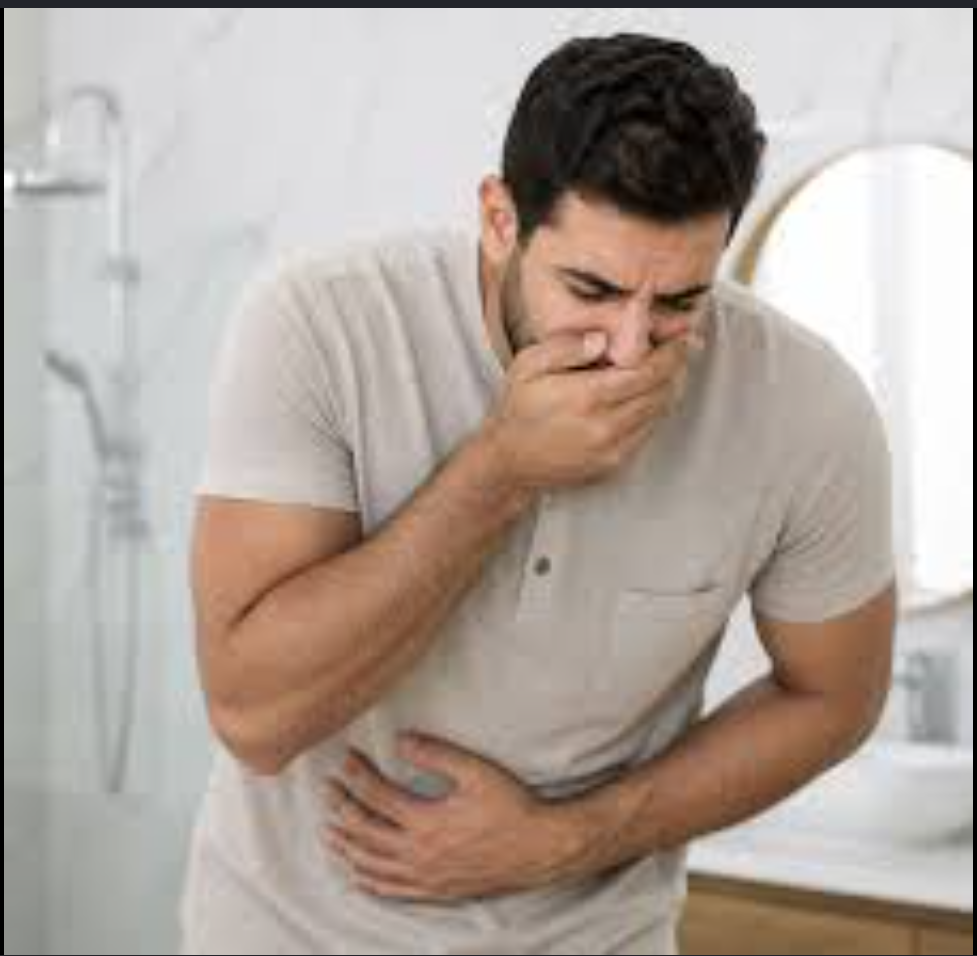

In public discussions—and even in some introductory food safety training programs—a common belief persists: food poisoning must start and end in the gastrointestinal tract, causing classic symptoms such as vomiting, diarrhea, or abdominal cramps.
However, this belief is scientifically inaccurate and potentially dangerous.
Epidemiological evidence and food industry investigations show that foodborne hazards can follow two very different pathways:
- Some hazards completely bypass the digestive system and directly attack the nervous system.
- Others may begin with ordinary gastrointestinal symptoms but later progress to cause severe damage to vital organs.
For quality professionals and food safety specialists, relying solely on gastrointestinal symptoms as indicators of foodborne illness can result in overlooking life-threatening complications.
In this article from Khtowat for Quality & Consultancy, we challenge this widespread misconception and explore the biological mechanisms behind systemic and non-gastrointestinal foodborne illnesses, along with their control through HACCP plans and ISO 22000 food safety systems.
1. Pure Neurotoxins: When Food Poisoning Bypasses the Gut Entirely
Botulinum Neurotoxins: The Silent Paralysis
The spore-forming anaerobic bacterium Clostridium botulinum is perhaps the strongest example demonstrating why the traditional view of food poisoning is incomplete.
This pathogen represents a major biological hazard in canned foods and other low-acid food products.
Why It Challenges the Gastrointestinal Concept
The toxin produced is a pure neurotoxin, not an enterotoxin.
Once absorbed, it enters the bloodstream and blocks the release of acetylcholine at neuromuscular junctions, preventing normal muscle contraction.
Clinical Presentation
Unlike typical food poisoning, patients may experience:
- Double vision (Diplopia)
- Drooping eyelids (Ptosis)
- Difficulty speaking and swallowing
- Progressive descending flaccid paralysis
- Respiratory failure
In many cases, gastrointestinal symptoms are minimal or entirely absent.
HACCP Control Measures
Control requires:
- Commercial sterilization based on the 12D concept
- Thermal processing at approximately 121.1°C
- Maintaining product pH below 4.6
- Strict validation of retort processes
Marine Biotoxins: Neurological Effects Without Gastroenteritis
Ciguatera Fish Poisoning
Ciguatoxins bioaccumulate in large predatory reef fish.
These toxins keep voltage-gated sodium channels permanently open, causing neurological dysfunction.
Common symptoms include:
- Temperature sensation reversal (cold feels hot, hot feels cold)
- Tingling and numbness
- Muscle weakness
- Cardiac abnormalities
These symptoms often occur without significant gastrointestinal inflammation.
Histamine (Scombroid) Poisoning
Temperature abuse of tuna, mackerel, and related fish allows bacterial conversion of histidine into histamine.
Histamine remains stable even after cooking and can cause:
- Severe flushing
- Throbbing headache
- Hypotension
- Palpitations
- Allergy-like reactions
HACCP Control Measures
- Continuous cold-chain monitoring
- Data logger verification
- Histamine limits not exceeding regulatory thresholds
- Supplier verification programs
2. Famous Gastrointestinal Pathogens That Later Attack Other Organs
The greatest misconception arises with pathogens that initially cause diarrhea or abdominal symptoms but later trigger severe systemic disease.
Shiga Toxin-Producing E. coli (STEC / E. coli O157:H7)
Hidden Systemic Pathway
Infections are commonly associated with:
- Undercooked ground beef
- Contaminated vegetables
- Raw milk products
Early symptoms include:
- Severe abdominal cramps
- Bloody diarrhea
However, after intestinal infection, Shiga toxins may enter the bloodstream and target:
- Red blood cells
- Vascular endothelial cells
- Kidney tissue
Organ Failure Risk
This can lead to Hemolytic Uremic Syndrome (HUS), characterized by:
- Hemolytic anemia
- Thrombocytopenia
- Acute kidney failure
HUS can be life-threatening, particularly among children, older adults, and immunocompromised individuals.
HACCP Controls
- Cooking validation
- Prevention of cross-contamination
- Raw material verification
- Environmental hygiene controls
Campylobacter jejuni
Hidden Autoimmune Consequences
Campylobacter jejuni remains one of the leading causes of bacterial foodborne diarrhea worldwide.
Sources include:
- Undercooked poultry
- Raw milk
- Contaminated water
While most cases begin with gastrointestinal illness, some patients later develop an autoimmune response.
Guillain-Barré Syndrome (GBS)
The immune system mistakenly attacks peripheral nerve myelin, causing:
- Progressive muscle weakness
- Ascending paralysis
- Potential respiratory compromise
Recovery may take months, and some neurological damage can be permanent.
Invasive Listeriosis
Beyond the Intestine
Listeria monocytogenes presents a major challenge in ready-to-eat food production and refrigerated environments.
Unlike many pathogens, it can survive and multiply at refrigeration temperatures.
Using specialized virulence factors called Internalins, the organism can cross:
- The intestinal barrier
- The blood-brain barrier
- The placental barrier
Severe Outcomes
Invasive listeriosis may cause:
- Septicemia
- Meningitis
- Encephalitis
- Pregnancy loss
- Fetal death
Symptoms may include:
- Confusion
- Loss of balance
- Seizures
- Neurological impairment
GMP Control Measures
- Hygienic equipment design
- Elimination of dead zones
- Biofilm prevention programs
- Robust Environmental Monitoring Programs (EMP)
3. Chemical Contaminants and Heavy Metals: Chronic Neurotoxicity
Foodborne hazards are not limited to microorganisms.
Chemical contaminants such as:
- Methylmercury
- Lead
- Arsenic
may enter the food chain through:
- Raw materials
- Water sources
- Packaging migration
- Environmental contamination
Unlike traditional food poisoning, these hazards often produce chronic neurological and renal damage without causing acute gastrointestinal symptoms.
HACCP Control Measures
Food safety systems should include:
- Comprehensive chemical hazard assessments
- Supplier approval and qualification programs
- Certificates of Analysis (COAs)
- Routine water quality monitoring
- Packaging migration testing
- Monitoring pesticide residues
- Monitoring veterinary drug residues
- Verification of cleaning chemical controls
Final Thoughts for Food Safety Teams
The belief that food poisoning is limited to gastrointestinal illness is an outdated oversimplification.
Some hazards, such as botulinum toxin, may bypass the digestive tract altogether and directly attack the nervous system. Others, such as STEC, Campylobacter, and Listeria, may start in the gut but progress to devastating systemic disease affecting the kidneys, nervous system, bloodstream, and even pregnancy outcomes.
For food manufacturers, quality managers, and HACCP teams, understanding these systemic hazards is essential for developing preventive food safety systems that protect consumers and ensure regulatory compliance.
A robust HACCP plan should not only prevent diarrhea and vomiting—it should prevent paralysis, kidney failure, meningitis, and other potentially fatal consequences of foodborne hazards.
💡 Discussion Question
As a food safety or quality professional, how does your HACCP plan address biological hazards associated with severe systemic complications such as HUS caused by STEC (E. coli O157:H7)?
Share your experiences and best practices in the comments.
#FoodSafety #HACCP #ISO22000 #QualityManagement #FoodIndustry #FoodManufacturing #FoodMicrobiology #FoodQuality #RiskManagement #KhtowatForQuality #FoodSafetyCulture #FoodPoisoning #Listeria #Campylobacter #EColi #Botulism #GMP






اشرف عبد الهادي
Jun 04, 2026معلومات فى غايه الروعه استمروا , بس ياريت لما يتم نشر مقال ترسلوا لنا على الايميل او على الواتس بالتوفيق لكم دائما